

National Preparedness Month: Water-Smart Emergency Kits for Every Season
September 01, 2026
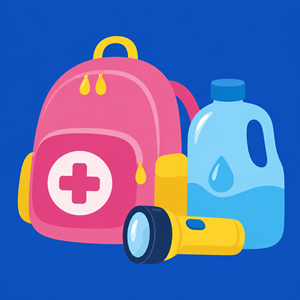
September is National Preparedness Month, a good reminder that emergencies rarely happen when it is convenient. Severe weather, power outages, flooding, winter storms, extreme heat, travel delays, and unexpected service interruptions can all affect daily routines with little warning.
The goal of preparedness is not to live in fear. It is to make life easier when something does go wrong. A few practical steps taken ahead of time can help protect your family, reduce stress, and give you more options during an emergency.
One of the first things to plan for is water.
Start With Water
Water is needed for drinking, cooking, basic hygiene, cleaning, pets, and sometimes medical needs. During an emergency, access to clean water may be limited or temporarily disrupted. That is why every emergency plan should include a stored water supply.
A common preparedness recommendation is to store at least one gallon of water per person per day for several days. Families should also remember pets, infants, elderly family members, and anyone with medical needs who may require additional water.
When storing water:
- Keep it in a cool, dark place.
- Rotate bottled water according to its date.
- Use clean, food-grade containers if storing tap water.
- Do not store water near gasoline, chemicals, pesticides, or strong odors.
- Keep some water easy to grab if you need to leave quickly.
Water is simple, but it is one of the most important items you can have ready.
Build a Home Emergency Kit
A home kit should help your household manage at least the first stretch of an emergency. You do not need to build everything at once. Start with the basics and add to it over time.
Helpful items include:
- Water
- Non-perishable food
- Manual can opener
- Flashlights
- Extra batteries
- Battery-powered or hand-crank radio
- First aid supplies
- Prescription medications and basic health items
- Phone chargers or power banks
- Hygiene items
- Important documents in a waterproof bag
- Extra pet supplies
- Cash in small bills
- Blankets or warm clothing
- Trash bags and wipes for cleanup
After you build your kit, check it a few times a year. Replace expired food, refresh water, update medications, and make sure flashlights and radios still work.
Keep a Car Kit Ready
Preparedness does not stop at home. A car kit can be helpful during road trips, school pickup lines, work commutes, storms, heat waves, or winter weather.
Consider keeping these items in your vehicle:
- Bottled water
- Snacks
- First aid supplies
- Flashlight
- Phone charger
- Jumper cables
- Blanket
- Hand warmers in winter
- Sunscreen in warmer months
- Reflective triangles or safety lights
- Basic tools
- Paper map
- Pet leash or bowl if you often travel with pets
For summer and early fall, add extra water. For winter, avoid letting water freeze in containers that may burst. Rotate supplies based on the season.
Plan for Power Outages
Power outages can affect lights, heating, cooling, appliances, medical devices, well pumps, and communication. They can also make it harder to get news or charge phones.
Before an outage happens, know where your flashlights are, keep devices charged when storms are expected, and have a way to receive weather updates. If you use a generator, follow safety instructions carefully and never use it indoors, in a garage, or near windows.
If water service is affected or local officials issue a notice, follow the guidance provided by your water system or local emergency management office.
Make a Family Communication Plan
During an emergency, family members may be at work, school, home, or on the road. Take time to decide how you will contact each other, where you will meet, and who you can call outside the area if local phone lines are busy.
Write down important phone numbers and keep a paper copy in your kit. Do not rely only on phones, because batteries can die and service can be interrupted.
Preparedness Is a Community Habit
Preparedness works best when neighbors, families, schools, local governments, utilities, and community groups all do their part. Check on older neighbors, share preparedness reminders, and learn where to find local alerts.
This September, take one step at a time. Add water to your kit, review your family plan, check your car supplies, and make sure you know where to find trusted local information.
Preparedness does not have to be complicated. It simply means being ready before you need to be.
References / Resources:
CDC.gov - How to Create an Emergency Water Supply
American Red Cross - How to Prepare for Emergencies
National Weather Service - Weather Safety
Want to Learn More?
For Kids / Family Activity:
Build a Family Emergency Kit Checklist
Have kids help make a family checklist for water, snacks, flashlights, pet supplies, first aid items, and comfort items like a book or small game. Let them draw each item and check it off when it goes into the kit. This turns preparedness into a family activity instead of a last-minute chore.